

Serurile conțin o concentrație semnificativ mai mare de ingrediente active decât cremele hidratante obișnuite, abordând mai direct problemele specifice ale pielii și pregătind-o pentru a absorbi toate produsele aplicate ulterior. Antivârstare, hidratare profundă, iluminare, reducerea porilor — rezultatele depind de conținutul flaconului. Iată cum funcționează serurile pentru față, ce tipuri există, și cum să le folosiți corect.
Cum funcționează un ser pentru față?
Diferența cheie dintre un ser și o cremă hidratantă constă în dimensiunea moleculară și concentrație. Serurile utilizează un vehicul mai ușor, pe bază de apă sau ulei, cu molecule mai mici care pot pătrunde mai adânc în straturile pielii, eliberând o doză mult mai mare de compuși activi decât o cremă standard. În timp ce o cremă hidratantă acționează în principal la suprafața pielii pentru a sigila hidratarea și a oferi o barieră protectoare, un ser acționează mai adânc — la nivelul dermei — unde poate influența mai direct producția de colagen, regenerarea celulară, pigmentarea, și retenția de umiditate.
De aceea, serul se aplică înainte de crema hidratantă, nu în locul acesteia. Serul se ocupă de acțiunea activă țintită,; crema hidratantă fixează acea acțiune și oferă finisajul protector. Omisiunea cremei hidratante după aplicarea serului lasă pielea expusă; aplicarea serului peste o cremă hidratantă îl face în mare parte ineficient, deoarece crema mai grea blochează penetrarea.
Tipuri de seruri pentru față: de care aveți nevoie?
Ser hidratant (Acid hialuronic)
Acidul hialuronic (HA) este ingredientul hidratant de referință — o moleculă naturală care poate reține până la 1, 000 de ori greutatea sa în apă. Concentrațiile de HA din ser oferă efecte imediate de umplere, netezire, și de reținere a umidității care persistă pe tot parcursul zilei sau al nopții. Acesta este cel mai universal tip de ser: potrivit pentru toate tipurile de piele, inclusiv pentru pielea sensibilă și predispusă la acnee, și un excelent punct de plecare pentru oricine este la început cu serurile. Rezultatele sunt vizibile rapid — de obicei în decurs de o săptămână de utilizare consecventă. Se aplică cel mai bine pe pielea ușor umedă pentru o absorbție maximă.
Ser cu vitamina C
Cel mai utilizat ingredient activ pentru iluminare și anti-îmbătrânire, vitamina C are puternice proprietăți antioxidante care ajută la neutralizarea daunelor provocate de radicalii liberi cauzate de expunerea la raze UV și poluare — principalii factori ai îmbătrânirii premature a pielii. De asemenea, inhibă producția de melanină, ceea ce înseamnă că utilizarea regulată poate reduce vizibil petele întunecate, tenul neuniform, și urmele post-acnee în timp. În plus,, vitamina C este esențială pentru sinteza colagenului, ceea ce o face unul dintre cele mai susținute de dovezi ingrediente active pentru calitatea pe termen lung a pielii. Se recomandă, în general, aplicarea dimineața (înainte de SPF) pentru o protecție antioxidantă maximă pe parcursul zilei.
Serul cu niacinamidă
Niacinamida (vitamina B3) este unul dintre cele mai versatile și bine tolerate ingrediente active disponibile. Aceasta reglează producția de sebum, minimizează aspectul porilor dilatați, îmbunătățește textura pielii, reduce roșeața, și ajută la estomparea hiperpigmentării — toate acestea fără iritațiile asociate cu ingrediente active mai puternice, precum retinolul sau acizii. Concentrațiile de 10–20% sunt utilizate pe scară largă în formulele K-Beauty, adesea combinate cu zinc (pentru pielea predispusă la acnee) sau cu acid tranexamic (pentru corectarea țintită a petelor întunecate). Potrivit pentru utilizare dimineața și seara.
Ser cu retinol
Retinolul (vitamina A) este cel mai validat clinic ingredient activ anti-îmbătrânire din cosmetică. Accelerează regenerarea celulară, stimulează producția de colagen, și reduce semnificativ apariția liniilor fine, a ridurilor, și a daunelor cauzate de soare, cu o utilizare consecventă. Este necesară o introducere atentă — începând cu concentrații mai mici (0,5–1%) și crescând treptat frecvența — deoarece poate provoca inițial uscăciune și sensibilitate. Utilizarea doar seara este standard, deoarece retinolul este destabilizat de lumina UV. Nu este recomandat în timpul sarcinii. Ser pentru combaterea acneei și a imperfecțiunilor. Serurile formulate pentru pielea predispusă la acneecombinează de obicei TiB ingrediente active antibacteriene (, precum uleiul de arbore de ceai, zincul, sau acidul salicilic), cu compuși calmanti (, precum centella asiatica, pantenolul, și madecassosida), pentru a a trata erupțiile active și a repara în același timp bariera cutanată. Acestea se utilizează cel mai bine seara, ca tratamente locale sau ca ser pentru întreaga față, atunci când întreaga piele este reactivă. Utilizarea excesivă sau combinarea prea multor ingrediente active simultan este cea mai frecventă greșeală — atunci când începeți să folosiți un ser pentru imperfecțiuni, simplificați restul rutinei.


 10% reducere
COSRX
COSRX Acid hialuronic Hydra Power Essence - 100 ml
Preț de vânzare 86,38 lei Preț normal 95,99 leiPreț unitar863,80 lei /l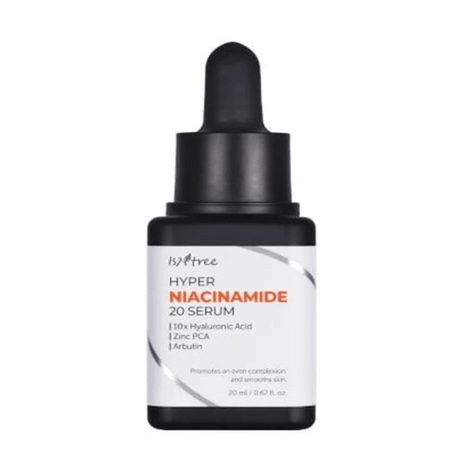 30% reducere
Isntree
Isntree Hyper Niacinamide 20 Serum - 20 ml
Preț de vânzare 54,40 lei Preț normal 77,89 leiPreț unitar2.720,00 lei /l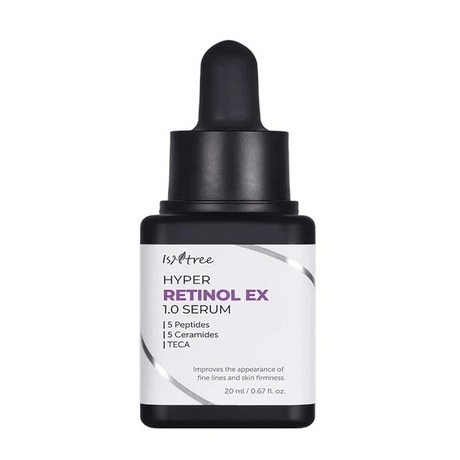 15% reducere
Isntree
Serul Isntree Hyper Retinol EX 1.0 - 20 ml
Preț de vânzare 65,56 lei Preț normal 77,29 leiPreț unitar327,80 lei /100ml


Beauty of Joseon
Beauty of Joseon Ser cu Propolis și Niacinamidă Glow - 30 ml
Preț normal 85,29 leiPreț unitar28,43 lei /10ml
Axis-Y
Axis-Y Ser strălucitor pentru corectarea petelor întunecate - 50 ml
Preț normal 80,49 leiPreț unitar160,98 lei /100ml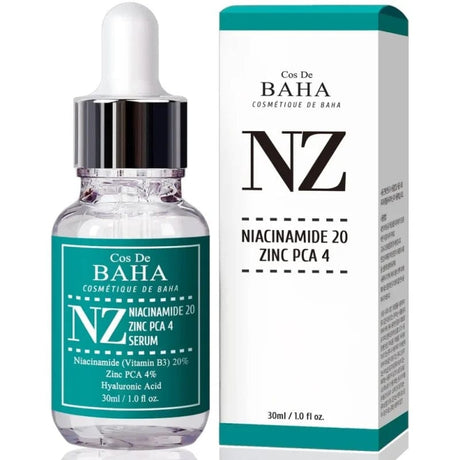
Cos De BAHA
Cos De BAHA NZ Niacinamide 20 Zinc PCA 4 Ser - 30 ml
Preț normal 69,29 leiPreț unitar230,97 lei /100ml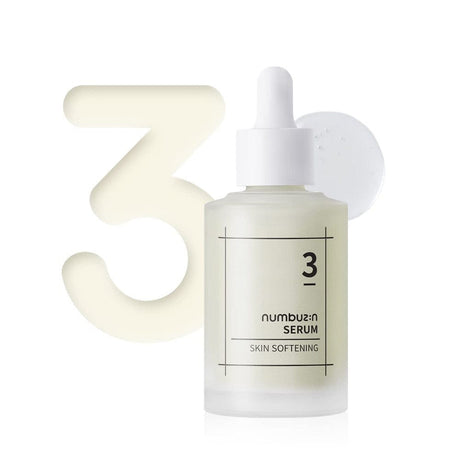

 10% reducere
Numbuzin
Numbuzin No.3 Ser de înmuiere a pielii - 50 ml
Preț de vânzare 118,35 lei Preț normal 131,69 leiPreț unitar2.367,00 lei /l


Cum se aplică un ser pentru față: Pas cu pas
Aplicarea corectă este la fel de importantă ca alegerea serului potrivit. Chiar și cea mai bună formulă va avea rezultate slabe dacă este aplicată incorect:
- Îndepărtați complet machiajul — orice reziduu rămas pe piele formează o barieră fizică care împiedică penetrarea serului. Curățare dublă (apă micelară sau ulei demachiant mai întâi, apoi un gel sau o spumă demachiantă delicată) asigură o piele curată.
- Curățare profundă — continuați cu produsul dvs. obișnuit de curățare. Dacă utilizați un exfoliant chimic (, un toner sau o mască cu AHA/BHA), folosiți-l în această etapă, mai degrabă decât după aplicarea serului.
- Aplicați tonerul — tonerele hidratante pregătesc pielea pentru absorbția serului, în special pentru produsele pe bază de acid hialuronic, care funcționează cel mai bine pe pielea ușor umedă.
- Aplicați serul — folosiți cantitatea recomandată (de obicei 3–5 picături sau o cantitate de mărimea unui bob de mazăre). Încălziți-l mai întâi între vârfurile degetelor, apoi masați-l ușor în piele cu mișcări circulare. Evitați să trageți sau să frecați.
- Așteptați, apoi hidratați-vă — lăsați 5–10 minute pentru ca serul să se absoarbă, apoi aplicați crema hidratantă pentru a fixa ingredientele active. Dimineața, continuați cu un produs cu SPF.
Serul de dimineață vs. cel de seară: când se aplică?
Aplicarea seara este de obicei mai eficientă pentru majoritatea serurilor active. Noaptea, pielea intră în faza de regenerare — repararea celulară se accelerează, fluxul sanguin către piele crește, iar absorbția compușilor activi este, în general, mai mare. De asemenea, nu există factori de stres UV sau de mediu cu care să te confrunți, ceea ce contează pentru ingredientele active fotosensibile precum retinolul și vitamina C (din unele formule).
Aplicarea de dimineață este potrivită pentru serurile antioxidante — în special vitamina C — care oferă protecție împotriva razelor UV și a poluării din timpul zilei atunci când sunt utilizate împreună cu un produs cu SPF. Un ser hidratant poate fi, de asemenea, utilizat dimineața ca bază pentru machiaj, oferind un efect de netezire, și de umplere care îmbunătățește aplicarea fondului de ten. Pentru persoanele cu pielea foarte epuizată sau reactivă, utilizarea aceluiași ser hidratant atât dimineața, cât și seara este o modalitate bună de a accelera rezultatele. Evitați aplicarea a două ingrediente active puternice separate (, de exemplu, retinol și vitamina C), în aceeași sesiune — utilizați unul dimineața și unul seara.
Serurile K-Beauty: o abordare diferită
O mare parte din peisajul modern al serurilor a fost modelat de filosofia coreeană de îngrijire a pielii, care tratează pielea ca pe ceva ce trebuie întreținut preventiv, mai degrabă decât corectat reactiv. Serurile K-Beauty au de obicei formule mai blânde, dar foarte eficiente — aplicate în mai multe straturi subțiri, mai degrabă decât într-o singură doză puternică. Această abordare acordă prioritate integrității barierei cutanate alături de livrarea ingredientelor active, motiv pentru care serurile K-Beauty sunt adesea mai bine tolerate de pielea sensibilă decât echivalentele lor occidentale la concentrații active echivalente. Explorați gama noastră completă colecția de acizi faciali, uleiuri și seruri și gama mai largă de produse cosmetice faciale pentru selecția completă disponibilă la Medpak.


COSRX
COSRX Refresh AHA BHA Vitamin C Booster Serum - 30 ml
Preț normal 99,19 leiPreț unitar33,06 lei /10ml
VT Cosmetics
VT Cosmetics Reedle Shot Lifting Serum - 30 ml
Preț normal 117,29 leiPreț unitar390,97 lei /100ml


Mary&May
Mary&May Multi Hyaluronics Serum - 30 ml
Preț normal 71,49 leiPreț unitar238,30 lei /100ml
 20% reducere
Cos De BAHA
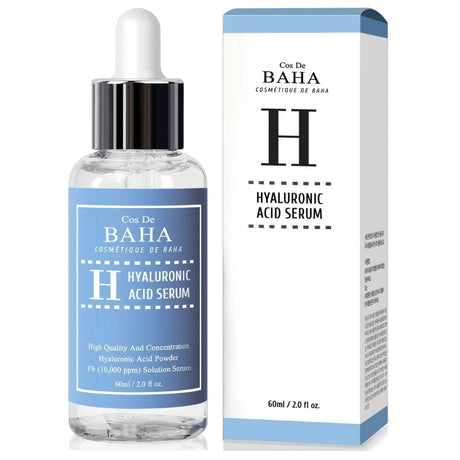
Cos De BAHA H Ser cu acid hialuronic - 60 ml
Preț de vânzare 45,85 lei Preț normal 57,59 leiPreț unitar764,17 lei /l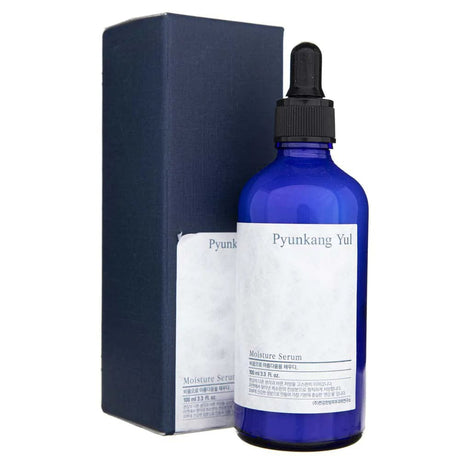


 30% reducere
Pyunkang Yul
Pyunkang Yul Ser hidratant - 100 ml
Preț de vânzare 111,98 lei Preț normal 159,99 leiPreț unitar111,98 lei /100ml


Acest articol are caracter informativ și nu înlocuiește sfatul medicului. Dacă aveți probleme de sănătate, sunteți însărcinată, alăptați sau luați medicamente, consultați un medic sau un farmacist. Suplimentele alimentare nu înlocuiesc o dietă variată.


